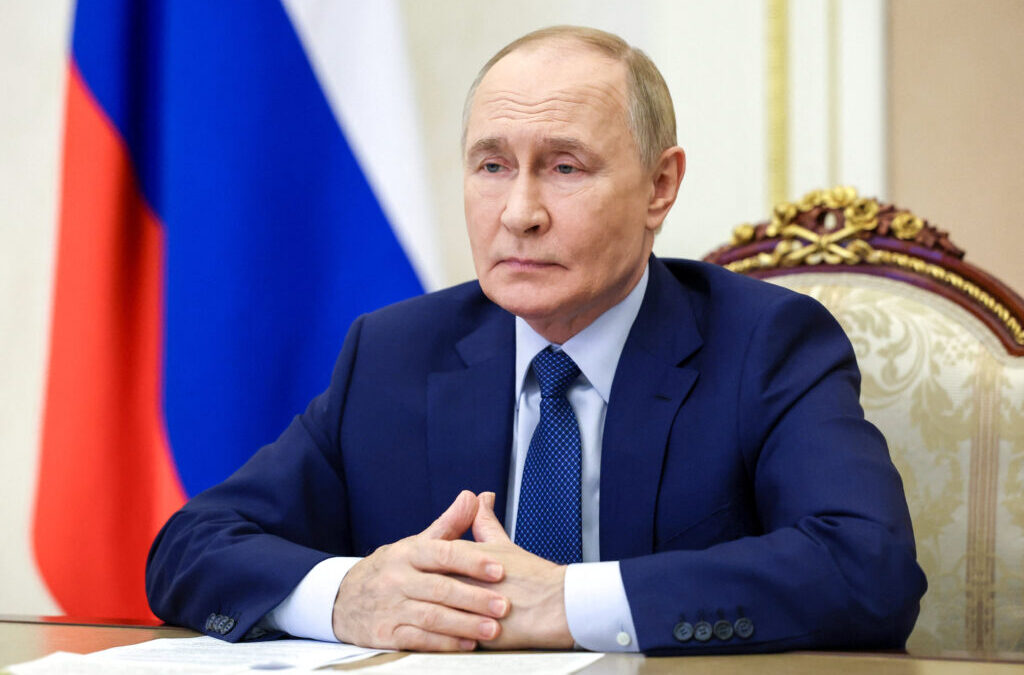
NEW DELHI: Prime Minister Narendra Modi described the enduring India-Russia relationship as a “guiding star,” built on mutual respect and trust, during a summit with Russian President Vladimir Putin. As both leaders reaffirmed their commitment to strengthening economic ties, they signed over a dozen agreements covering areas like health, migration, maritime cooperation, and a new framework for economic cooperation aimed at boosting trade to $100 billion by 2030.
Putin promised that Russia would continue to provide uninterrupted fuel shipments to India, further solidifying the energy partnership between the two countries.
PM Modi: Relationship Built on Trust and Mutual Respect
PM Modi highlighted the longstanding nature of the India-Russia partnership, noting that despite the many global challenges and crises over the past eight decades, their relationship has remained resilient and steadfast. “Through all the ups and downs the world has witnessed, the India-Russia friendship has stood strong, like a guiding star, built on deep trust and mutual respect,” he said.
Modi emphasized that the newly outlined economic cooperation program would diversify and balance trade and investment between the two countries. He also underscored the importance of cooperation in critical minerals to ensure secure, diversified global supply chains.
While the summit included discussions on defense cooperation, including India’s Make in India initiative, the focus was on economic collaboration. Foreign Secretary Vikram Misri clarified that both sides were working to create balanced and sustainable trade, with a focus on facilitating more Indian exports to Russia.
Support for Free Trade and Nuclear Cooperation
Both leaders expressed strong support for the ongoing efforts to conclude a Free Trade Agreement between India and the Eurasian Economic Union. Modi also underscored the importance of civil nuclear cooperation, referring to energy security as a cornerstone of the India-Russia partnership.
In a move to further strengthen people-to-people ties, India announced a free 30-day e-tourist visa and a 30-day group tourist visa for Russian citizens. Modi also raised the issue of Indian nationals serving in the Russian military, calling for their early release.
Russia’s Commitment to India’s Global Role
In a joint statement, both leaders called for a comprehensive reform of the UN Security Council to better reflect modern global realities, with Russia reaffirming its strong support for India’s permanent membership in a reformed council.
Putin also expressed satisfaction with the negotiations, adding that Russia and India are aligning their foreign policies with like-minded countries in organizations like BRICS and the Shanghai Cooperation Organization (SCO). He emphasized their shared vision for a “just and democratic multipolar world order,” advocating for respect for sovereignty, the right of each country to pursue its own development, and the preservation of cultural and civilizational identities.
Cooperation on International Issues
On the global stage, the leaders reiterated their commitment to working together on key international issues. They endorsed continued cooperation to ensure that Afghanistan remains free of terrorism and emphasized the importance of resolving the Iran nuclear issue through dialogue. Both leaders also expressed concern over the humanitarian crisis in Gaza, as outlined in their joint statement.