Bogotá: Colombia endured one of its bloodiest days in recent months on Thursday after a police helicopter was shot down in Antioquia and a car bomb tore through Cali, leaving at least 13 dead and dozens injured.
President Gustavo Petro said eight police officers died when their helicopter came under fire during an anti-narcotics mission to eradicate coca fields. Defence Minister Pedro Sánchez told reporters the aircraft was likely struck by a drone before catching fire and crashing. Videos shared online showed the helicopter engulfed in black smoke as it spiraled to the ground. Several others were injured.
Hours later, a vehicle packed with explosives detonated outside a military aviation school in Cali, Colombia’s third-largest city. Authorities confirmed at least five deaths and more than 30 injuries. “There were fatalities among people passing by on the avenue,” eyewitness Alexis Atizabal told AFP, describing shattered homes and classrooms across the district.
Petro initially suggested the Gulf Clan cartel may have staged the helicopter attack in retaliation for recent cocaine seizures. But he later blamed dissident factions of the Revolutionary Armed Forces of Colombia (FARC) — particularly the Central General Staff (EMC) led by Iván Mordisco — accusing them of orchestrating both incidents. He vowed to classify EMC, Segunda Marquetalia and the Clan del Golfo as terrorist organisations.
The violence underscores Colombia’s deepening instability despite Petro’s “total peace” pledge to negotiate with armed groups. Critics argue his softer approach has emboldened guerrillas and cartels.
Coca cultivation reached a record 253,000 hectares in 2023, according to the UN, fueling the cocaine trade and intensifying clashes. Analysts warn the surge in both production and bloodshed signals a dangerous resurgence of armed factions, undermining the 2016 peace deal that officially dissolved FARC.
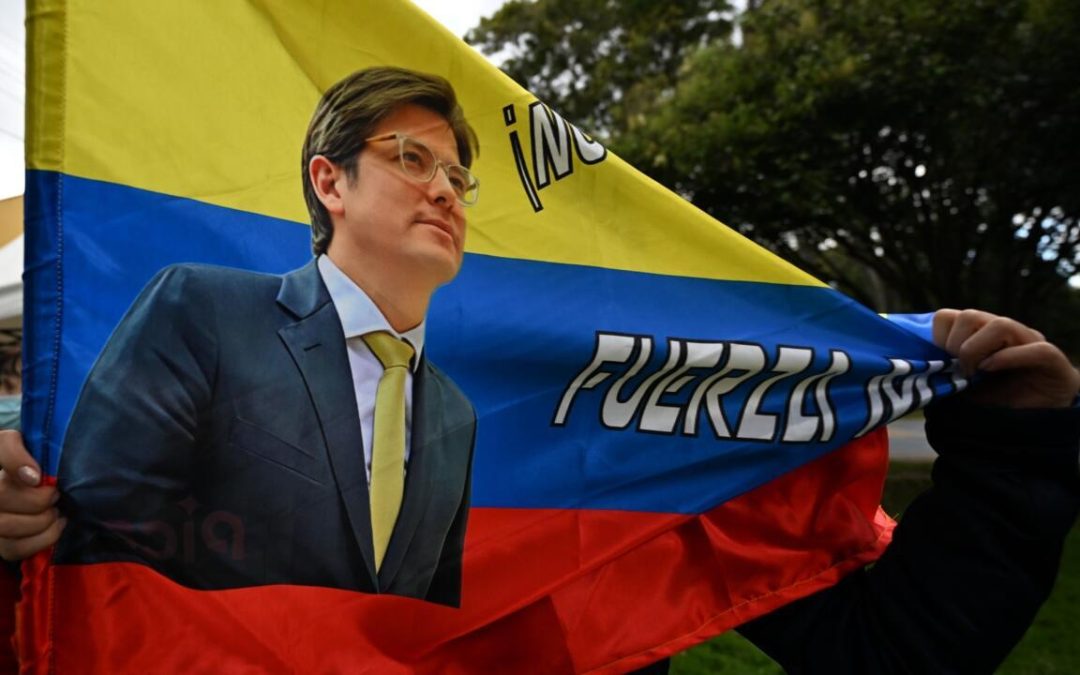
Many Colombians now fear a return to the narco-terror era of the 1980s and 1990s, when cartel bombings and assassinations scarred public life. “Our country is going through the darkest, saddest, and most painful days,” said María Claudia Tarazona, widow of slain presidential candidate Miguel Uribe, at his recent funeral.