WASHINGTON: Two Chinese nationals based in California have been arrested and charged with illegally exporting tens of millions of dollars’ worth of advanced AI chips, including Nvidia H100s, to China, the U.S. Department of Justice announced on Tuesday.
The accused — Chuan Geng and Shiwei Yang, both 28 — operated out of Pasadena and El Monte, respectively. According to a federal affidavit, the duo ran a company called ALX Solutions, founded in 2022, shortly after the U.S. imposed strict export controls to curb the transfer of advanced technology to China amid concerns over its military modernization.
Between October 2022 and July 2025, the company allegedly exported high-end Nvidia chips and other restricted technologies without the necessary licenses from the U.S. Department of Commerce.
Suspected Use of Transshipment Routes
Investigators say ALX Solutions made more than 20 shipments to freight forwarding companies in Singapore and Malaysia, jurisdictions often used as transshipment hubs to disguise the final destination of restricted goods. While invoices listed these countries as recipients, authorities believe the chips were ultimately diverted to China.
A particularly notable transaction included a 2023 invoice valued at $28.4 million, claiming the customer was based in Singapore. However, U.S. export control officers were unable to verify delivery, and the listed company was found to be non-existent at the provided address.
Additionally, financial records revealed that ALX received a $1 million payment in January 2024 from a China-based company, as well as other payments from firms in Hong Kong and mainland China — not from the freight forwarders themselves.
Acquisition of Chips from U.S. Vendors
From August 2023 to July 2024, ALX purchased over 200 Nvidia H100 GPUs from Super Micro Computer, a San Jose-based server manufacturer, by falsely declaring the end-users as being in Singapore and Japan, the affidavit states.
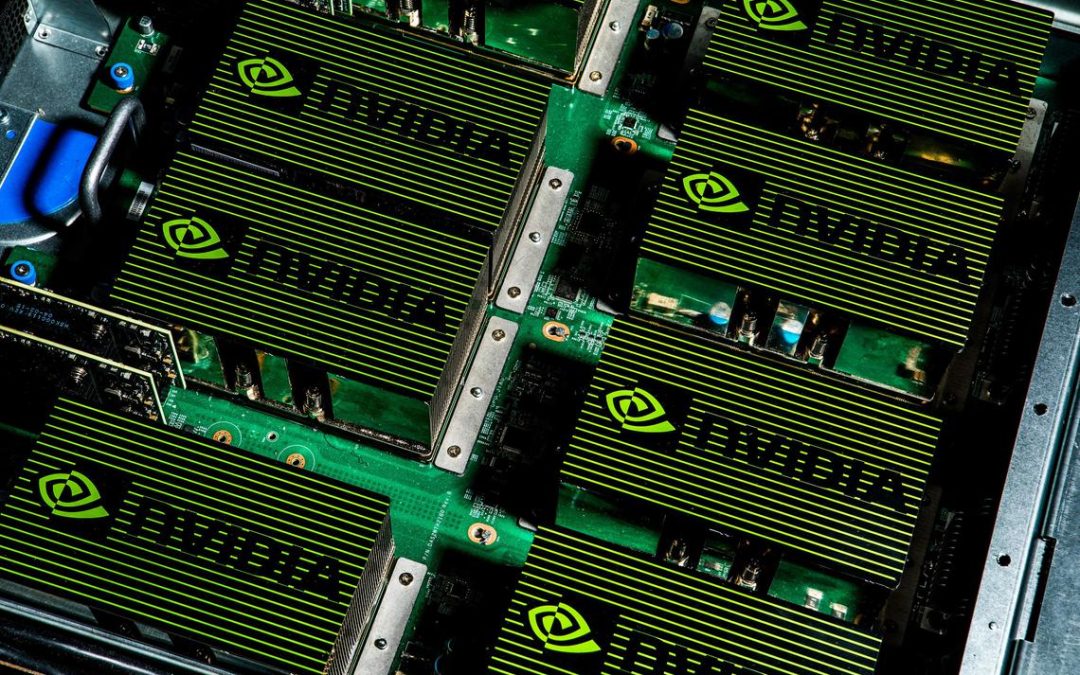
Nvidia’s H100 chips are considered some of the most advanced AI processors available, widely used for training large language models and other high-performance computing tasks. Because of their strategic importance, they are subject to strict U.S. export controls.
Nvidia Responds
In response to the charges, Nvidia issued a statement emphasizing its commitment to compliance:
“This case demonstrates that smuggling is a nonstarter,” said a Nvidia spokesperson. “We primarily sell our products to well-known partners who help us ensure that all sales comply with U.S. export control rules.”
The company added that any diverted or illegally acquired products receive no service, support, or updates.