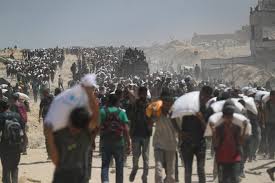
TEL AVIV/GAZA: In what could mark a pivotal escalation in the ongoing war with Hamas, Israel may be preparing to take full control of the Gaza Strip, according to multiple Israeli media outlets. A senior official in Prime Minister Benjamin Netanyahu’s office reportedly told Channel 12’s Amit Segal, “The decision has been made… we are going to occupy the Gaza Strip.”
The potential shift comes amid a complete collapse of ceasefire talks and growing frustration within Israel’s leadership over the continued captivity of hostages held by Hamas since the early days of the war. Sources cited by Fox News and The Times of Israel say the Israeli Defense Forces (IDF) may soon launch operations into areas they had previously avoided — including zones believed to house hostages — risking both their lives and broader humanitarian consequences.
“Hamas will not release hostages without total surrender. If we do not act now, the hostages may die of starvation, and Gaza will remain under Hamas’ control,” said a Netanyahu aide, quoted by Segal.
Security Cabinet to Finalize Strategy
The Israeli Security Cabinet is set to meet Tuesday to discuss and potentially greenlight the full occupation plan. While the IDF currently controls about 75% of the territory, the proposed strategy would see Israeli forces entering the remaining areas — including highly populated urban pockets.
Reports from Ynet and The Times of Israel indicate that Netanyahu has already begun using the term “occupation of the Strip” in internal discussions, signaling a dramatic departure from earlier government hesitations about full-scale re-entry.
“The die is cast — we are going for a full occupation of the Gaza Strip,” a senior official was quoted as saying by Ynet.
Internal Divisions and International Concerns
The plan, however, is not without opposition. IDF Chief of Staff Lt. Gen. Eyal Zamir is reportedly against the occupation move, citing operational and humanitarian risks. A source close to Netanyahu responded bluntly, “If the chief of staff doesn’t agree, he should resign.”
The reported rift highlights deep divisions within Israel’s political and military leadership over the feasibility and consequences of a complete takeover, especially with Gaza’s infrastructure decimated and humanitarian aid severely limited.
Diplomatic Channels Stalled
The renewed war footing follows a failed attempt by U.S. envoy Steve Witkoff to revive diplomatic efforts. Despite optimistic rhetoric surrounding his visit, talks have stalled, and both sides appear to have stepped away from negotiations.
Aid agencies have issued stark warnings: a broader offensive in densely populated areas could lead to a large-scale humanitarian catastrophe, affecting Gaza’s already vulnerable population of over two million people.
If Israel proceeds, the occupation of Gaza would mark one of the most significant shifts in Middle East geopolitics since the start of the conflict — with ramifications far beyond the region.