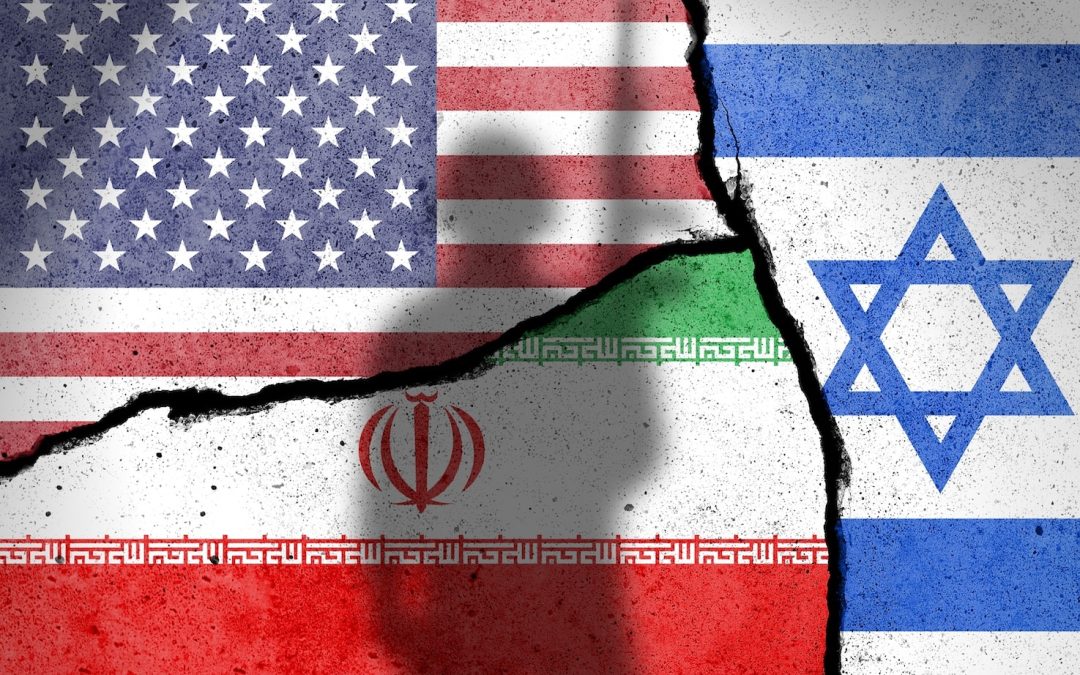
WASHINGTON: Amid ongoing tensions and a fragile ceasefire between Israel and Iran, U.S. President Donald Trump on Wednesday signaled a possible softening of oil sanctions on Tehran to support the country’s post-conflict rebuilding efforts—though the broader “maximum pressure” policy remains in place.
“They’re going to need money to put that country back into shape. We want to see that happen,” Trump said during a press conference at the NATO Summit, responding to a question about easing restrictions on Iranian oil sales, according to a Reuters report.
Following the ceasefire agreement, Trump also appeared to suggest that China might resume purchases of Iranian oil. However, the White House quickly clarified that the president’s remarks did not signal any official change in U.S. sanctions policy.
The Trump administration has previously imposed sweeping sanctions on entities linked to Iran’s oil trade, including independent Chinese “teapot” refineries and port terminal operators, in an effort to curb Tehran’s energy exports and revenue.
Steve Witkoff, Trump’s Middle East envoy, later elaborated on the remarks in an interview with CNBC. He said Trump’s comments regarding China’s potential oil dealings with Iran were meant to reflect a readiness to work constructively with Beijing, rather than to inflict further economic pressure.
“We’re interested in working together with you in unison, and hopefully that becomes a signal to the Iranians,” Witkoff explained.
China, Iran’s largest crude oil buyer, has consistently opposed U.S. sanctions targeting Iranian energy exports and has pushed for diplomatic alternatives. While the idea of easing sanctions has raised speculation, no formal shift in policy has been announced.