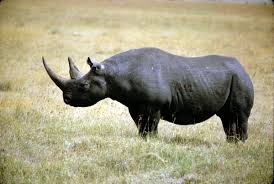
Ten critically endangered black rhinos have been successfully relocated from South Africa to Mozambique in an effort to restore a population that vanished from the region over 50 years ago, conservation groups announced Thursday.
The group—five males and five females—was transported to Zinave National Park in central Mozambique following a 48-hour road journey last week, according to the Peace Parks Foundation, which oversaw the translocation in partnership with South Africa’s environment ministry.
“This introduction was necessary to establish a viable breeding population,” said Lesa van Rooyen, communications coordinator for the Peace Parks Foundation. “The new arrivals represent the first founder population of black rhinos in Mozambique since their local extinction half a century ago.”
While 12 black rhinos had previously been reintroduced to Zinave from South Africa, the numbers remained too low to ensure successful long-term breeding. With the arrival of the 10 new rhinos, conservationists believe the park now has a strong foundation for recovery.
In addition to the black rhinos, 25 white rhinos—classified as less endangered—have also been moved to Zinave in recent years as part of broader rewilding efforts.
Black rhino numbers plummeted by 96% between 1970 and 1993 due to widespread poaching and habitat loss, falling to a low of just 2,300 individuals in the wild, according to the International Rhino Foundation. Thanks to ongoing conservation efforts, the population has gradually rebounded to an estimated 6,421.
Once widespread across sub-Saharan Africa, rhinos faced massive declines due to colonial-era hunting and rampant poaching, particularly for their horns, which remain in high demand on black markets in parts of Asia.
Mozambique’s rhino population was decimated during its 15-year civil war, which ended in 1992. The conflict, coupled with economic hardship, pushed many communities to hunt wildlife for survival. “People were doing what they had to in extremely difficult conditions,” Van Rooyen noted.
Years of focused conservation work have transformed Zinave National Park into Mozambique’s first and only national park home to Africa’s iconic “Big Five”—elephant, rhino, lion, leopard, and buffalo.
Conservationists say the reintroduction of black rhinos marks a major milestone in restoring Mozambique’s wildlife heritage and represents a hopeful chapter in the ongoing fight to save the species from extinction.