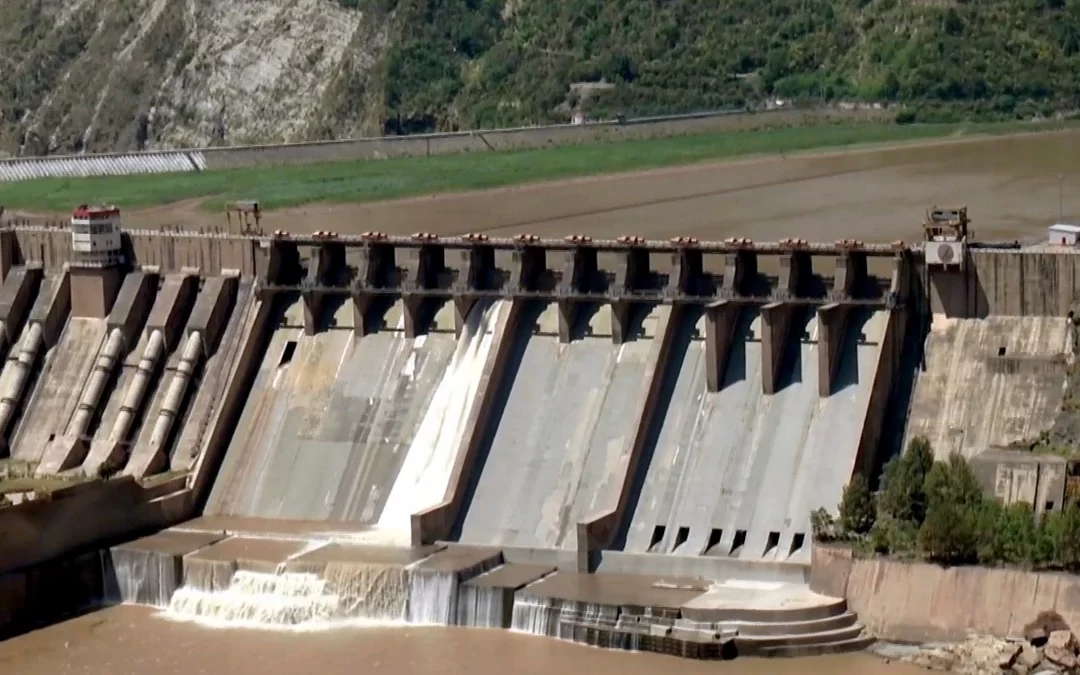
NEW DELHI: In an immediate move, India is undertaking limited flushing and desilting of reservoirs at two of its hydro-power projects, Baglihar and Salal, located on the Chenab River in Jammu and Kashmir. These measures are aimed at enhancing the capacity of these dams to store and regulate the flow of water to Pakistan during the winter months. In the coming days, additional dams will undergo similar procedures to ensure better storage across India.
This initiative is part of a broader strategy developed following the suspension of the Indus Water Treaty (IWT) in the wake of the Pahalgam terror attack last month. The plan aims to control and manage the flow of water from the western rivers—Indus, Jhelum, and Chenab—into Pakistan.
Flushing, a process that involves clearing sediments from reservoirs through high-water flow, and desilting, which removes accumulated sediment through dredging, are essential components of this effort.
“Since the Treaty is currently paused and we are no longer bound by its provisions, we have the freedom to carry out flushing at any of our projects. This will help extend the effective life of these facilities,” said Kushvinder Vohra, former chairman of the Central Water Commission, in an interview with TOI. He added that projects like Baglihar and Kishanganga, with smaller storage capacities, could complete the flushing process in just one or two days.
The flushing and desilting of these reservoirs are short-term measures under India’s new strategy. Medium-term steps include accelerating the completion of ongoing hydro-power projects such as Pakal Dul (1,000 MW), Ratle (850 MW), Kiru (624 MW), and Kwar (540 MW). Additionally, India plans to curtail the flow of nine cusecs of water from the Kishanganga project, as previously mandated, and redirect it for power generation purposes.
India is also pursuing long-term initiatives, including four major hydro-power projects that will enhance its ability to utilize water from the western rivers through additional reservoirs. These projects will increase Jammu and Kashmir’s hydro-power capacity from nearly 4,000 MW to over 10,000 MW while also expanding water storage capacity for use within the region and neighboring states.
Other steps outlined in the roadmap involve reviving the Tulbul project on the Jhelum River, which had been stalled; improving flood management in the Wullar Lake and Jhelum areas; implementing lift irrigation projects that offer faster water utilization; and optimizing the use of existing Ranbir and Pratap canals to increase water availability for the Jammu region.
“Additional measures may be introduced at the right time as the situation develops,” Vohra noted.