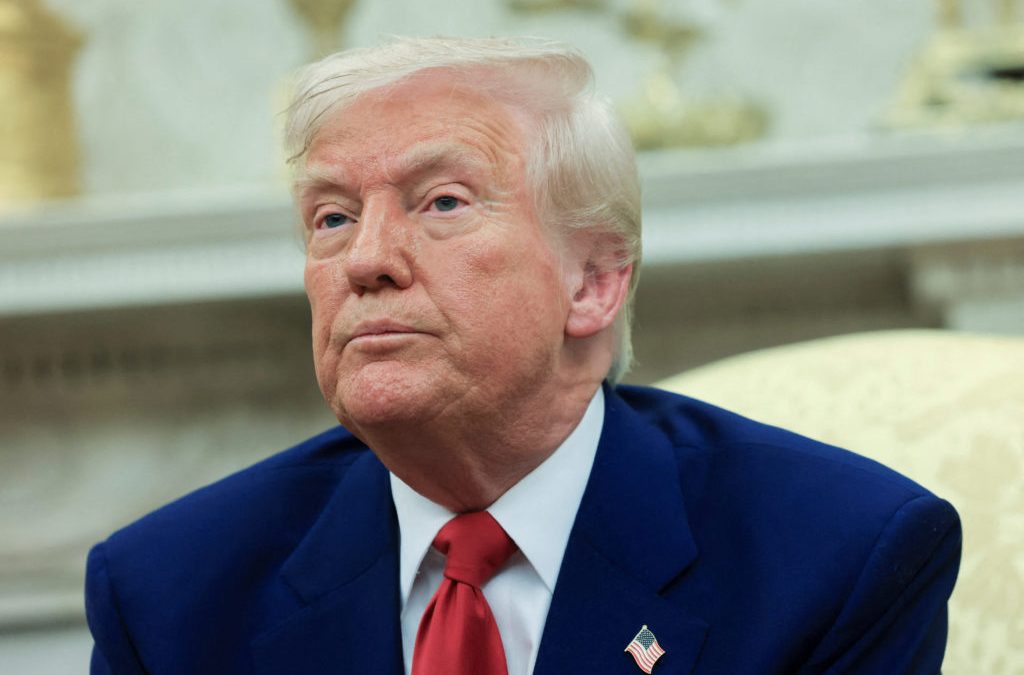
Former President Donald Trump has announced a sweeping 100% tariff on all films produced outside of the United States, accusing foreign countries of undermining Hollywood and using cinema as a tool for propaganda. The announcement, made through a post on Truth Social, painted a grim picture of the American movie industry’s future.
“The Movie Industry in America is DYING at an alarming rate,” Trump declared in his post. “Foreign nations are offering generous incentives to lure our filmmakers and studios away from the U.S. Hollywood, and other American industries, are suffering as a result. This is a coordinated effort by foreign powers and represents a national security threat. It’s not just about the economy—it’s about messaging and propaganda!”
Trump went on to authorize the Department of Commerce and the United States Trade Representative (USTR) to immediately begin implementing the 100% tariff on all films produced abroad. “WE WANT MOVIES MADE IN AMERICA, AGAIN!” he exclaimed.
The USTR has previously pointed out that non-tariff trade barriers, such as foreign tax incentives and regulations, could place U.S. filmmakers at a disadvantage. Cities like Toronto and Dublin have become popular alternatives for film and TV productions due to their attractive tax breaks. In response, California Governor Gavin Newsom has proposed a significant tax credit aimed at revitalizing Hollywood.
At the same time, U.S. movie theater ticket sales have been in decline, with fewer major films hitting theaters following the pandemic and a growing preference for streaming services among viewers.
This new tariff announcement adds another chapter to Trump’s volatile trade policies, which have already had a profound impact on the global economy. Since returning to office, Trump has imposed tariffs on a wide range of imports, including a hefty 145% levy on Chinese products. In retaliation, China introduced a 125% tariff on U.S. exports, escalating a trade war that has disrupted global supply chains and sparked recession concerns.
Recent U.S. economic data shows a 0.3% contraction in GDP for the first quarter of 2025, with imports and consumer spending both sharply down. Additionally, bookings for ocean containers from China have dropped by 60%, leading to shipping companies canceling up to a quarter of their sailings. At the Port of Los Angeles, arrivals are expected to fall by 35%, as businesses hesitate to place orders amid ongoing tariff uncertainties.
Economists have increasingly linked these economic challenges to Trump’s unpredictable trade policies. “It’s all a direct result of his actions,” said Brian Bethune, an economist at Boston College.
Despite Trump’s claims of negotiating “privileged” deals with countries such as Switzerland, South Korea, and Japan, foreign leaders have expressed frustration over the confusion and lack of clarity in negotiations. “There’s no clear strategy,” said Josh Lipsky from the Atlantic Council. “The White House hasn’t communicated its goals effectively, leaving other nations unsure of who to negotiate with or what to expect.”